
SENSORY FUN
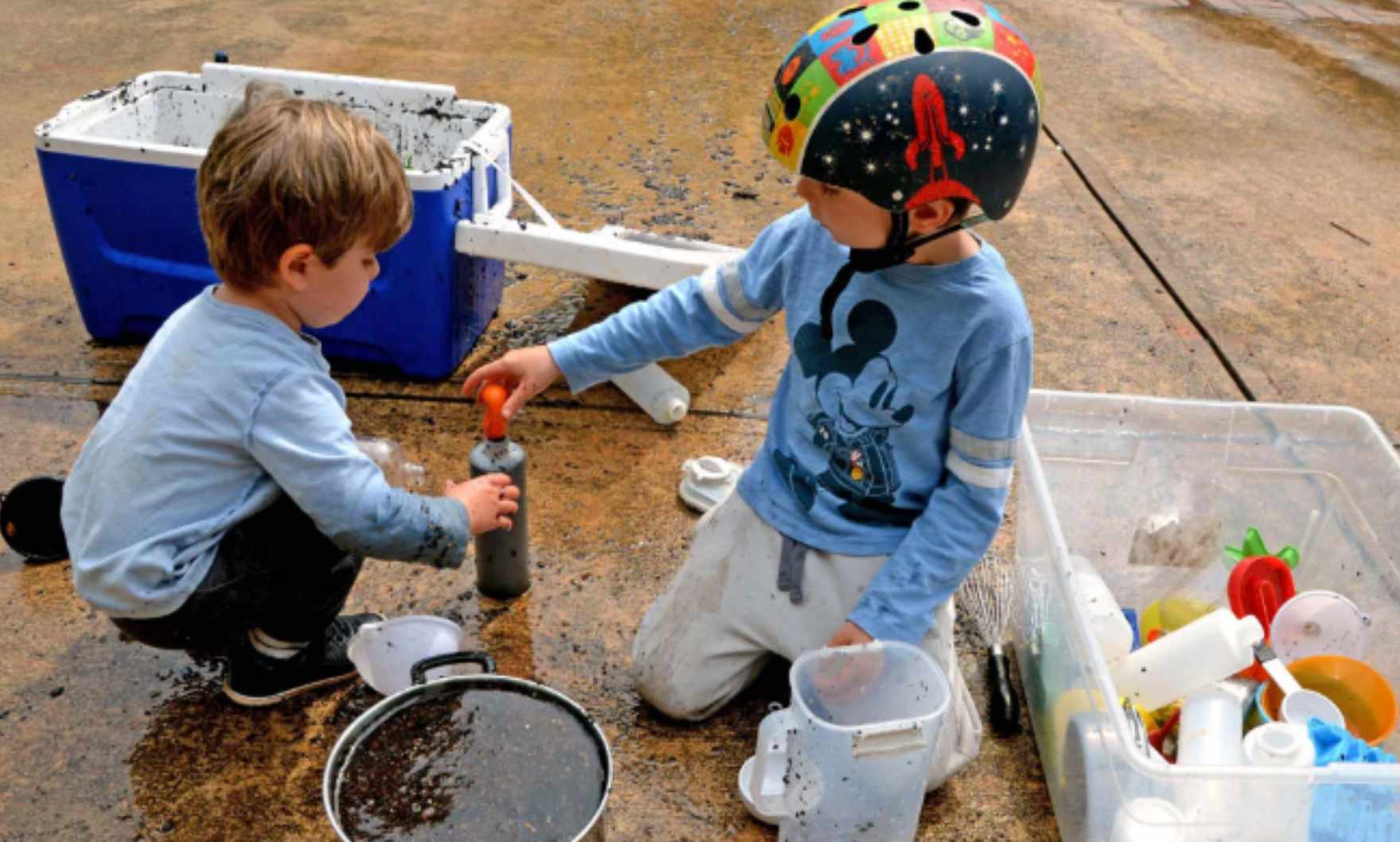
Messy Fun That Builds Brilliant BrainsFor good reason, sensory play is one of those 'magical' things you often hear about in early childhood development. Simply put, sensory play means letting children explore the world through their senses: touch, sight, sound, smell and, when appropriate, taste. Think squishing playdough, scooping rice, splashing water, or feeling different textures. Sometimes, if appropriate, even letting them play with their food.
Why does sensory play matter so much? When children dive into sensory experiences, their brains light up in all the right ways. It enables them to better process information from their body in relation to their environment.
Here are two easy sensory play activities you can set up in minutes:
1. Texture Treasure Hunt Bin
Grab a big plastic tub or washing basin and fill it with dry rice, beans, pasta, or even shredded paper. Hide small toys, plastic animals, or spoons inside. Let your child dig, scoop, pour, and hunt. Add a sieve or cups for extra fun. Tip: Do this outside or on a big mat to keep the mess contained.
Why this helps: Digging and manipulating different textures builds finger strength and hand-eye coordination for later skills like writing or buttoning clothes. Exploring and talking about what they find boosts language, focus, and calmness. Many children settle down easily right after a good sensory session.
2. Playdough Press & Roll
Use homemade or shop-bought playdough, or even biscuit or bread dough if you're baking. Give them tools like rolling pins, pastry or biscuit cutters, plastic knives, or let them just use their hands. Encourage rolling snakes, making balls, pressing flat shapes, or squishing it through a garlic press for "spaghetti".
Why this helps: The pushing, rolling, and squeezing gives hands and fingers a fantastic workout which is perfect for building grip strength and fine motor control. The repetitive, soothing motion also serves to regulate emotions and attention, leaving children feeling ‘grounded’ and ready for the next thing.
These quick sensory bursts of between 5 and 15 minutes make a real difference in the lives of children. After sensory play, you will notice your child is calmer, more focused, and chatty afterwards. You don’t need fancy kits. Just make use of everyday items around the house and, where necessary, allow them to get a bit messy!
So, why not have a go at some sensory play this week and treat yourself to watching the magic happen? Your child might surprise you with how long they play independently and happily.
Happy sensory adventures!
For quick how-to demos from occupational therapists:
1. “Top 5 Easy Indoor Sensory Activities for Kids, Quick to Set Up” by two OTs. Simple household ideas, great for regulation: LINK HERE
2. “Sensory Play Ideas to Support Sensory Processing” Look at The OT Toolbox channel for more. They have many short, practical videos: LINK HERE (Tip: start with their sensory bin ones. Very parent friendly).
3. "A sensory childhood" by Paula Simonson, TEDxMinot. This short TEDx talk of around 18 minutes is warm and accessible, focusing on how engaging children's senses in everyday play and exploration builds their understanding of the world. Paula emphasises creating rich sensory environments at home and in early learning. This is an encouraging talk which is full of real-life examples. LINK HERE